

How to Get from Porto to the Douro Valley (A Local's Honest Guide)
Planning a trip to the Douro Valley is easy. Getting there the right way is where most people lose time — or money.
There are four ways to make this journey. None is universally the best. The right choice depends on your group size, budget, how much flexibility you want, and whether the journey itself matters to you.
This guide was written by locals who do this route regularly. We'll be straight with you.
By Train — The Romantic Option
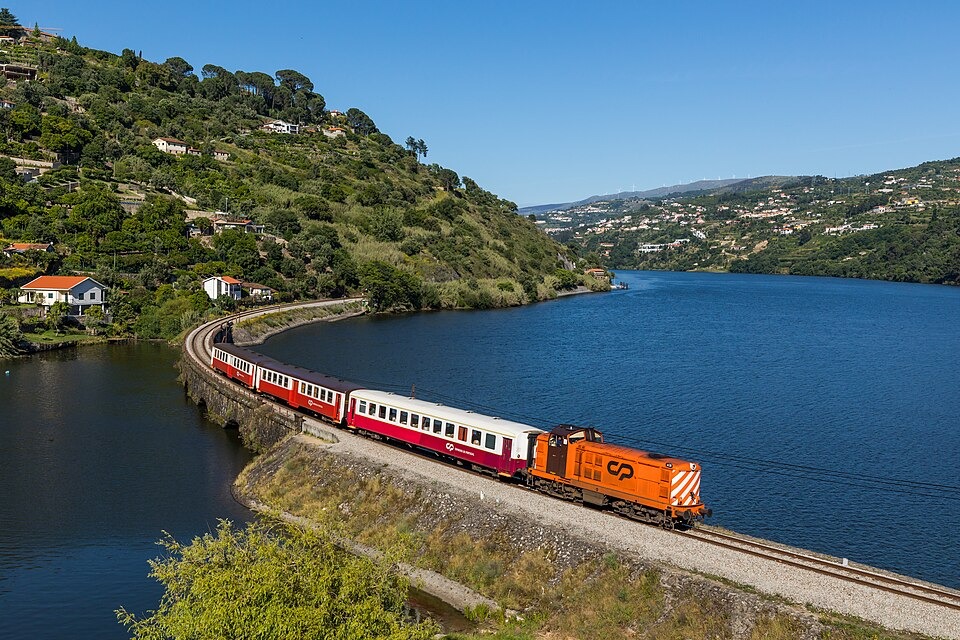
The Douro Line (Linha do Douro) is one of the most beautiful train journeys in Europe. From Porto Campanhã, you follow the river for roughly 2 hours to Pinhão, the heart of the valley.
What to know before you book:
• Trains run from Porto Campanhã (not São Bento — don't make that mistake)
• The journey to Pinhão takes around 2h to 2h30, depending on the service
• Tickets cost €11–15 each way (CP, the national train company)
• Seats on the right side going east have better river views
• Frequency is limited — typically 3 to 4 services per day
• The last train back leaves Pinhão around 6pm — plan around this
The honest catch: Once you arrive at Pinhão, you're without transport. The quintas are scattered and most aren't within walking distance. You'll need to arrange a taxi or book experiences that include pickup.
Best for: couples, solo travellers, anyone who values the journey as part of the experience.
By Rented Car — The Freedom Option
This is the choice that gives you the most control. You leave when you want, stop where you want, and aren't anchored to anyone else's schedule.
The drive from Porto to Pinhão takes around 1h45 via the A4 motorway towards Amarante, then the N108 along the river. The N222 stretch is itself worth the trip.
What to know:
• Toll costs approximately €5–7 each way on the motorway
• Fuel adds another €15–20 return, depending on your car
• Parking at quintas is generally free
• Mountain roads between viewpoints are narrow — fine for normal cars, just don't rush
• Driving back after a full day of wine tastings requires a designated driver
The honest catch: If you want to taste properly at multiple quintas, someone in the group doesn't drink. That's a real trade-off.
Best for: groups of 2–4 who want flexibility, families, anyone who wants to combine multiple villages or viewpoints in one day.
By Private Tour — The Easy Option
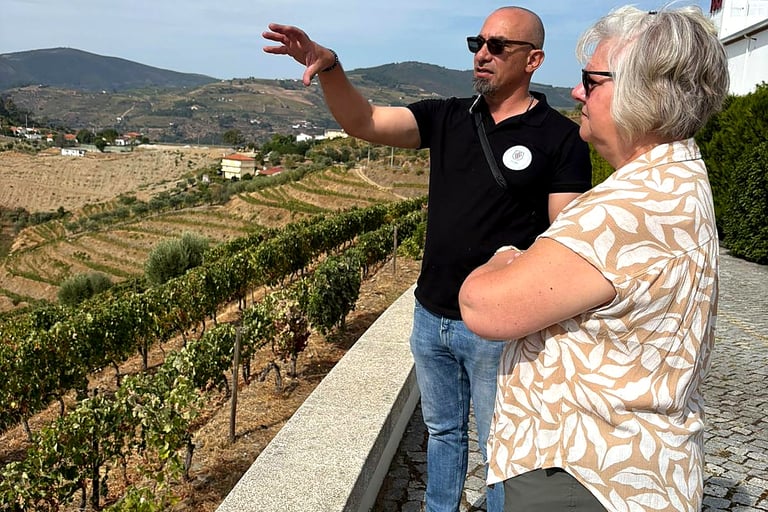
You're picked up at your hotel in Porto. You have a guide who knows the producers personally. You eat lunch somewhere locals actually go. You taste without watching the time. You're dropped off at your door.
This is what SipDouro does. We run full-day private experiences from Porto that cover the valley at a pace that makes sense — not 6 quintas in 8 hours, but 2 or 3 done properly.
What to know:
• Price: typically €100–150 per person for a full-day private experience
• Group size affects the per-person cost significantly
• Hotel pickup and drop-off is included
• You don't need to research, book, or navigate anything
The honest catch: It costs more than the other options. If your priority is budget, this isn't it. If your priority is actually experiencing the Douro rather than ticking it off, the maths often works out differently than you'd expect.
Best for: couples celebrating something, groups of friends who want to drink without logistics, first-time visitors who don't want to wing it.

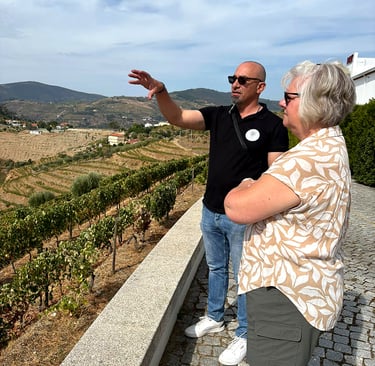
By Group Bus Tour — The Affordable Option
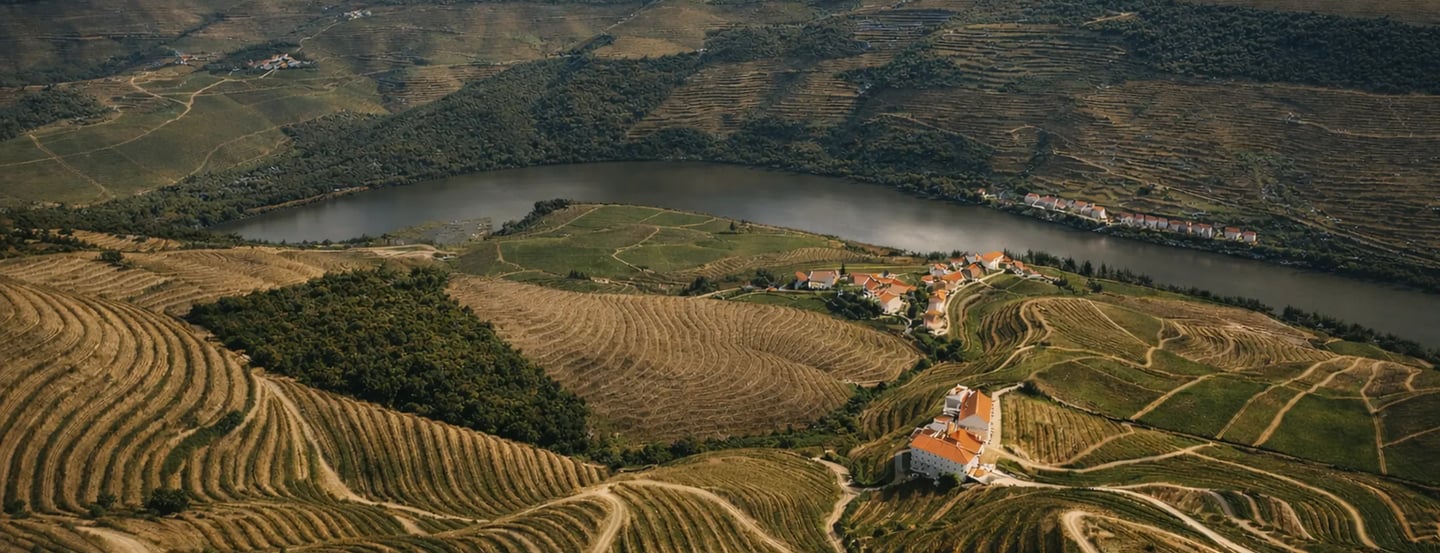
There are several companies running shared day tours from Porto to the Douro. They typically include transport, one or two quinta visits, lunch, and a boat trip on the river. Price range: €55–90 per person.
What to know:
• Groups are typically 20–40 people
• You'll stop where the itinerary says, for as long as the itinerary says
• Lunch is usually included — quality varies
• The boat trip (usually a 50-minute rabelo cruise) is a standard feature
The honest catch: The Douro is a place that rewards slowing down. Group tours, by nature, move fast. You'll see the valley. You probably won't feel it. That's not a criticism of the operators — it's a structural reality of moving 30 people through a landscape.
Best for: solo travellers on a tighter budget, larger groups where cost is the primary factor.
—
Which is right for you?
Take the train if: the journey matters as much as the destination, and you're happy to arrange local transport on arrival.
Rent a car if: you want full control, have a designated driver, and want to go beyond the main tourist circuit.
Book a private tour if: you want the experience handled properly, you're travelling as a couple or small group, and you'd rather be present than organised.
Join a group tour if: budget is your main constraint, or you prefer the social dynamic of a shared day out.
—
FAQ
How long does it take to get from Porto to the Douro Valley?
By train: 1h45–2h30 to Pinhão. By car: 1h30–1h45. By tour: similar drive time, but you're not driving.
Is there a direct train from Porto to Pinhão?
Yes — from Porto Campanhã. Not all services are direct; some require a change at Régua. Check the CP website for current timetables.
Can I do the Douro in one day from Porto?
Yes, but it's a full day. You'll leave Porto by 9am and return by 8–9pm. One day is enough to get a real sense of the valley.
Do I need to book quinta visits in advance?
Yes. Most quintas require advance booking, especially during harvest season (September–October) and at weekends.
Is the N222 driveable without a 4x4?
Yes, it's a normal tarmac road. The 27km stretch between Régua and Pinhão is wide enough for two cars.